

All You Need to Know About iPhone XS Programming in 2024
The iPhone XS continues to be a standout device, captivating users with its sleek design and advanced features.
As we step into 2023, exploring iPhone XS programming and software aspects remains a priority for many iOS developers and enthusiasts alike.
After all, the iPhone XS maintains its steadfast reputation as an exemplar of cutting-edge engineering, seamlessly enthralling its user base through the marriage of an impeccably sleek design and an array of advanced features that push the boundaries of modern communication.
One cannot disregard the bedrock of this technological tour de force—the iOS ecosystem. As the beating heart of the iPhone XS, iOS orchestrates a ballet of functions, seamlessly harmonizing hardware and software.
Its robust framework provides app developers with a potent arsenal of tools, empowering them to craft applications that resonate with the device’s capabilities, from harnessing the A12 Bionic chip’s neural engine for machine learning applications to exploiting the augmented reality (AR) framework for immersive user experiences.
What Does iPhone XS Programming Involve?
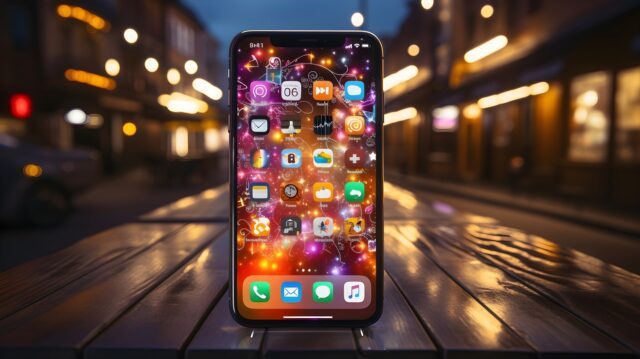
Programming for the iPhone XS involves creating applications that run seamlessly on this cutting-edge device. The iPhone XS boasts a powerful A12 Bionic chip, enabling developers to build responsive and feature-rich apps that harness the device’s capabilities.
This chip, a virtual maestro of computational prowess, bestows developers with a virtuoso’s toolkit that conducts responsive and alluring applications.
Yet, the grandeur of iPhone XS programming doesn’t rest solely upon this chip’s robust shoulders. Beyond this technological overture lies a universe of intricate possibilities.
Two primary languages dominate the landscape when discussing iPhone XS programming: Swift and Objective-C.
Swift, known for its speed and safety, has gained immense popularity for its modern syntax and performance optimizations. Objective-C, although older, is still relevant and widely used, especially in maintaining legacy applications. Both languages have their strengths and choosing the right one depends on the project’s requirements.
Delving into the avant-garde architecture of the iPhone XS, one uncovers a ballet of system frameworks that perform a pas de deux with the hardware.
The Metal framework, for instance, facilitates the unleashing of graphical brilliance, allowing applications to tap into the device’s graphics prowess for rendering visually stunning interfaces or immersive gaming experiences that blur the boundaries between reality and the digital realm.
Furthermore, threading through this technical tapestry is APIs that lend a symphonic depth to iPhone XS programming. The CoreML framework, a sentinel of artificial intelligence, opens doors for creators to infuse machine learning intelligence into their applications, enabling them to discern patterns, categorize data, and anticipate user behavior with astonishing accuracy.
Concurrently, the Core Location framework charts a rhythmic course, enabling developers to harmonize location-based services with their apps, be it for navigational precision or the orchestration of location-aware user experiences.
This is merely a prelude to the opportunities that await in the realm of iPhone XS programming. The TrueDepth camera, which is a virtuoso of facial recognition and augmented reality interaction, elevates apps into the dimension of touchless engagement and personalized immersion.
The quintessential UIKit framework offers the instruments to compose interfaces that are not only visually resplendent but also intrinsically intuitive, thus ensuring users an enchanting and seamless experience.
Xcode, Swift, & Core iOS Concepts
iOS programming languages are not a joke. Xcode, which is Apple’s integrated development environment, is the cornerstone of iPhone XS programming. Paired with the Swift programming language, Xcode provides developers with a robust toolkit for crafting innovative applications.
UIKit Framework
The UIKit framework forms the building blocks of iOS interfaces, allowing developers to create visually appealing and user-friendly apps.
AutoLayout
AutoLayout is pivotal for ensuring your app’s interface adapts gracefully to different screen sizes and orientations.
ARKit & Augmented Reality
ARKit unlocks the potential of augmented reality, enabling developers to merge digital experiences with the real world.
Core Data
Core Data facilitates efficient data management and storage, vital for creating engaging and responsive applications.
Core ML
Core ML empowers developers to integrate machine learning models into their apps, opening doors to intelligent features for app development.
Metal Graphics
The Metal framework allows for high-performance graphics rendering, crucial for graphically intensive applications.
Networking & Data-Fetching Techniques
A comprehensive understanding of networking and data retrieval has become an indispensable facet of digital development.
From the venerable domain of Hypertext Transfer Protocol (HTTP), which forms the bedrock of web communication, to the burgeoning frontiers of GraphQL and WebSockets, many avenues lead developers to optimize the flow of data between servers and clients. For iPhone XS programming, the data-fetching techniques mostly revolve around the following:
Making API Calls with URLSession
URLSession facilitates seamless communication between your app and web services, fetching data in a structured manner.
Parsing JSON Data Effectively
Efficient JSON parsing is essential for handling data retrieved from APIs and presenting it to users accurately.
Implementing Authentication & Security
Securing user data and interactions is paramount, and understanding authentication methods is key.
Testing & Debugging iPhone XS Code

Thorough testing and effective debugging practices ensure your app performs optimally and delivers a seamless user experience, especially when dealing with iPhone apps.
The pantheon of Apple devices, each with its idiosyncrasies and capabilities, necessitates a tailored approach to testing and debugging. As apps harness the capabilities of iOS frameworks and the iOS Human Interface Guidelines, adherence to these principles becomes crucial to ensure that the app harmonizes with the overarching design language and functionality of the Apple ecosystem.
The iPhone XS absorbs not only beauty but also complexity. Debugging tools like Instruments provide many insights, enabling developers to identify performance bottlenecks and memory inefficiencies.
Additionally, crash reporting tools like Crashlytics serve as sentinels against app instability, offering glimpses into errors that might compromise the user experience.
App Store Submission & Marketing Strategies
You may need to learn the ropes of submitting your app to the App Store and explore marketing techniques to gain visibility.
The crucible of App Store submission demands a harmonious fusion of artistic innovation and technical precision. The iPhone XS, characterized by its resplendent Super Retina display and the computational might of the A12 Bionic chip, sets a lofty stage for applications to dazzle and delight users.
As developers perfect their creations, they traverse the rigors of meticulously crafting user interfaces that adhere to the iOS Human Interface Guidelines to ensure a seamless and intuitive user experience that resonates with the aesthetic sensibilities of Apple’s ecosystem.
However, this design’s elegance and user-centricity converge with the intricate choreography of technical requirements. The act of submitting an app necessitates rigorous scrutiny of various facets: from the elegant composition of metadata and compelling app descriptions, which serve as digital invitations to users, to the calibration of app icons and launch images that encapsulate the app’s essence at a glance.
Moreover, the provisioning of appropriate privacy details is a concern in today’s data-sensitive landscape. It assumes significance as developers traverse the contours of privacy policy adherence and data handling transparency.
The Bottom Line
iPhone XS programming is still holding ground among developers, thanks to the plethora of tools and frameworks available to create exceptional applications for this device.
As you start your programming journey for the iPhone XS, remember to harness the power of its hardware and software capabilities to craft experiences that resonate with users.
Denarjes is one of the few IT firms that stand as a paragon of excellence and dedication in the domain of programming for iOS devices, including iPhone XS. Our developers have deep knowledge in this realm as they produce hundreds of apps that are geared specifically for specific iOS devices.
Frequently Asked Questions
Is Programming for the iPhone XS Different from Other iPhones?
Programming for the iPhone XS is similar to programming for other iPhones, but the XS’s enhanced hardware capabilities provide opportunities for more advanced features.
Is iPhone XS Still Good in 2024?
With its contemporary operating system and sufficiently capable processors, iPhone XS certainly remains a viable choice, especially if your preference is for an economical iPhone that serves you well over the span of a year or two.
Do I Need Prior Programming Experience to Develop Apps for the iPhone XS?
While prior programming experience is helpful, resources like Swift Playgrounds and online tutorials can assist beginners in getting started.
What Is the Significance of ARKit in iPhone XS Programming?
ARKit enables developers to create immersive augmented reality experiences by blending digital content with the real world.
Can I Develop Apps for the iPhone XS Using Windows or Linux?
Developing iOS apps requires Xcode, which is only available on macOS.
How Do I Optimize My App for Performance on the iPhone XS?
Optimizing for performance involves techniques like asynchronous programming, efficient memory management, and utilizing hardware acceleration.
